Buy bmpa.eu ?
We are moving the project
bmpa.eu .
Are you interested in purchasing the domain
bmpa.eu ?
domain@kv-gmbh.de · 0541-91531010
Buy bmpa.eu ?
Have our exoplanets already been studied?
Yes, exoplanets have been extensively studied by astronomers using various methods such as transit photometry, radial velocity measurements, and direct imaging. These studies have provided valuable insights into the characteristics of exoplanets, such as their size, composition, and orbit. Additionally, ongoing and future missions, such as the James Webb Space Telescope, will continue to expand our knowledge of exoplanets and their potential for hosting life. **
Have our exoplanets already been investigated?
Yes, exoplanets have been extensively investigated by astronomers using various methods such as the transit method, radial velocity method, and direct imaging. These investigations have revealed a wide range of exoplanets with different sizes, compositions, and orbital characteristics. Scientists continue to study exoplanets to better understand their formation, evolution, and potential for hosting life. **


Similar search terms for Exoplanets
Top-Angebote
Products related to Exoplanets:
-
Little Nest Industry Table & Stool Set in YellowThis industrial chic table and chair set is fantastic for kids to use inside or out. We love the retro inspired aesthetic and fresh modern colors. This set includes 1 table and 2 stools.Dimensions: Table 31.5 x 31.5 x 19.68 (in.); Stools: 15.35 x...599,00 $*Shipping: 0,00 $Secure redirect to the provider
-
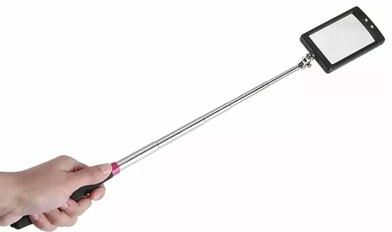
Multicon Wholesale Hub Telescoping Inspection Mirror Set Adjustable Flexible Inspection Mirror For Hard to Reach Spaces Telescoping Inspection Mirror Set Adjustable Flexible Inspection Mirror For Hard to Reach SpacesLooking for a versatile tool to help you inspect tight spaces The 2 Pack Telescoping Inspection Mirror Set is designed for those hardtoreach areas, making inspections easier than ever. Whether you're a mechanic, DIY enthusiast, or just need to check...69,97 $*Shipping: 0,00 $Secure redirect to the provider
-
Uplifted Finds Diagnostic 365nm UV Clinical Inspection Hub Diagnostic 365nm UV Clinical Inspection HubEnsure the dermatological integrity of your pet with the Clinical Inspection Hub, a professionalgrade diagnostic module engineered with 365nm UVspectrum logic. This highperformance device features a specialized Black Mirror filter technology...90,97 $*Shipping: 0,00 $Secure redirect to the provider



-
Have our exoplanets already been examined?
Yes, exoplanets have been examined by astronomers using various methods such as the transit method, radial velocity method, and direct imaging. These methods have allowed scientists to gather information about the size, composition, atmosphere, and potential habitability of exoplanets. Additionally, ongoing and future missions, such as the James Webb Space Telescope, will continue to study exoplanets in more detail. **
-
Why do exoplanets not have names yet?
Exoplanets do not have official names yet because the International Astronomical Union (IAU) is responsible for naming celestial bodies, and they have not yet established a formal naming process for exoplanets. Additionally, there are thousands of exoplanets that have been discovered, and it would be a complex and time-consuming task to come up with unique and meaningful names for each one. For now, exoplanets are typically referred to by a combination of letters and numbers based on the star they orbit, such as "Kepler-186f" or "TRAPPIST-1e." **
-
Have moons of exoplanets ever been discovered?
Yes, moons of exoplanets have been discovered. One example is the exomoon candidate Kepler-1625b I, which was detected in 2018 using data from the Kepler Space Telescope. This discovery suggests that exomoons may be more common than previously thought, and it opens up the possibility of finding even more moons around exoplanets in the future. The study of exomoons is an exciting area of research that could provide valuable insights into the formation and evolution of planetary systems beyond our own. **
-
How do people travel to other exoplanets?
Currently, people do not travel to other exoplanets. The distances to exoplanets are so vast that it would take thousands of years using current technology to reach even the closest ones. Additionally, we have not yet developed the technology to sustain human life for such long journeys. However, there is ongoing research and development into advanced propulsion systems, life support systems, and spacecraft design that may one day make interstellar travel a possibility. **

Why is the question about exoplanets so interesting?
The question about exoplanets is so interesting because it has the potential to expand our understanding of the universe and our place within it. Discovering and studying exoplanets can provide insights into the formation and evolution of planetary systems, as well as the potential for life beyond Earth. Additionally, the search for exoplanets pushes the boundaries of technology and observational techniques, driving advancements in astronomy and space exploration. Ultimately, the study of exoplanets has the potential to answer fundamental questions about the nature of the cosmos and our place in it. **
Can the James Webb Telescope take pictures of exoplanets?
Yes, the James Webb Telescope has the capability to take pictures of exoplanets. It is equipped with a specialized instrument called the Near Infrared Camera (NIRCam) that is designed to capture images of distant planets orbiting other stars. By using its advanced technology and positioning, the telescope will be able to observe and photograph exoplanets, providing valuable insights into their atmospheres and potential habitability. **
Top-Angebote
Products related to Exoplanets:
-
Salon Care Microwavable Heat Processing CapSalon Care Microwavable Heat Processing Cap just needs to be heated in the microwave, no cord, no fuss! The filling is 100% flaxseed and will hold heat for up to 30 minutes. The cap is reusable time and time again. Use with any hair treatment that...21,99 $*Shipping: 0,00 $Secure redirect to the provider
-
Superfresco Easy Industry Black WallpaperThe combination of deep charcoal and steel grey colors create a depth and atmosphere to this paper which will reflect in your home. Style with matt concrete textures and glossy metallic finishes to complete your scheme.80,00 $*Shipping: 0,00 $Secure redirect to the provider
-
Little Nest Industry Table & Stool Set in YellowThis industrial chic table and chair set is fantastic for kids to use inside or out. We love the retro inspired aesthetic and fresh modern colors. This set includes 1 table and 2 stools.Dimensions: Table 31.5 x 31.5 x 19.68 (in.); Stools: 15.35 x...599,00 $*Shipping: 0,00 $Secure redirect to the provider
-
Multicon Wholesale Hub Telescoping Inspection Mirror Set Adjustable Flexible Inspection Mirror For Hard to Reach Spaces Telescoping Inspection Mirror Set Adjustable Flexible Inspection Mirror For Hard to Reach SpacesLooking for a versatile tool to help you inspect tight spaces The 2 Pack Telescoping Inspection Mirror Set is designed for those hardtoreach areas, making inspections easier than ever. Whether you're a mechanic, DIY enthusiast, or just need to check...69,97 $*Shipping: 0,00 $Secure redirect to the provider
-
Have our exoplanets already been studied?
Yes, exoplanets have been extensively studied by astronomers using various methods such as transit photometry, radial velocity measurements, and direct imaging. These studies have provided valuable insights into the characteristics of exoplanets, such as their size, composition, and orbit. Additionally, ongoing and future missions, such as the James Webb Space Telescope, will continue to expand our knowledge of exoplanets and their potential for hosting life. **
-
Have our exoplanets already been investigated?
Yes, exoplanets have been extensively investigated by astronomers using various methods such as the transit method, radial velocity method, and direct imaging. These investigations have revealed a wide range of exoplanets with different sizes, compositions, and orbital characteristics. Scientists continue to study exoplanets to better understand their formation, evolution, and potential for hosting life. **
-
Have our exoplanets already been examined?
Yes, exoplanets have been examined by astronomers using various methods such as the transit method, radial velocity method, and direct imaging. These methods have allowed scientists to gather information about the size, composition, atmosphere, and potential habitability of exoplanets. Additionally, ongoing and future missions, such as the James Webb Space Telescope, will continue to study exoplanets in more detail. **
-
Why do exoplanets not have names yet?
Exoplanets do not have official names yet because the International Astronomical Union (IAU) is responsible for naming celestial bodies, and they have not yet established a formal naming process for exoplanets. Additionally, there are thousands of exoplanets that have been discovered, and it would be a complex and time-consuming task to come up with unique and meaningful names for each one. For now, exoplanets are typically referred to by a combination of letters and numbers based on the star they orbit, such as "Kepler-186f" or "TRAPPIST-1e." **
Similar search terms for Exoplanets
-
Uplifted Finds Diagnostic 365nm UV Clinical Inspection Hub Diagnostic 365nm UV Clinical Inspection HubEnsure the dermatological integrity of your pet with the Clinical Inspection Hub, a professionalgrade diagnostic module engineered with 365nm UVspectrum logic. This highperformance device features a specialized Black Mirror filter technology...90,97 $*Shipping: 0,00 $Secure redirect to the provider
-
Market Central Telescoping LED Inspection Mirror For Mechanics Telescoping LED Inspection Mirror For MechanicsExperience the confidence of seeing what others can't. This LED inspection mirror helps you inspect tight, dark, and hardtoreach spaces without taking parts apart, making every repair faster and easier. Designed for mechanics, DIY enthusiasts, and...34,97 $*Shipping: 0,00 $Secure redirect to the provider
-
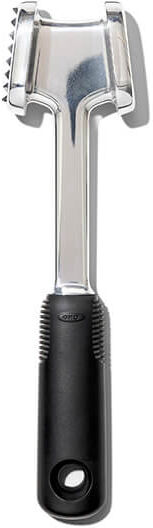
OXO Good Grips Meat TenderiserUpgrade your kitchen toolkit with the OXO Good Grips Meat Tenderiser, a durable die‑cast mallet built to deliver efficient, consistent results. Designed with two functional sides, it gives you the control to prep a wide range of proteins with ease. The textured, pyramid‑tooth surface helps loosen tough muscle fibres, allowing marinades to penetrate more effectively and improving tenderness. Flip to the smooth face to create even thickness in chicken, pork, or beef, supporting quicker, more uniform cooking. Thoughtfully balanced, the weighted head provides powerful impact without requiring extra effort, while the signature OXO soft, non‑slip handle keeps your grip secure—even with wet hands. Crafted from robust die‑cast aluminium, this tool is made to withstand regular use and remain a reliable part of your food‑prep routine.15,30 £*Shipping: 3,50 £Secure redirect to the provider
-
Have moons of exoplanets ever been discovered?
Yes, moons of exoplanets have been discovered. One example is the exomoon candidate Kepler-1625b I, which was detected in 2018 using data from the Kepler Space Telescope. This discovery suggests that exomoons may be more common than previously thought, and it opens up the possibility of finding even more moons around exoplanets in the future. The study of exomoons is an exciting area of research that could provide valuable insights into the formation and evolution of planetary systems beyond our own. **
-
How do people travel to other exoplanets?
Currently, people do not travel to other exoplanets. The distances to exoplanets are so vast that it would take thousands of years using current technology to reach even the closest ones. Additionally, we have not yet developed the technology to sustain human life for such long journeys. However, there is ongoing research and development into advanced propulsion systems, life support systems, and spacecraft design that may one day make interstellar travel a possibility. **
-
Why is the question about exoplanets so interesting?
The question about exoplanets is so interesting because it has the potential to expand our understanding of the universe and our place within it. Discovering and studying exoplanets can provide insights into the formation and evolution of planetary systems, as well as the potential for life beyond Earth. Additionally, the search for exoplanets pushes the boundaries of technology and observational techniques, driving advancements in astronomy and space exploration. Ultimately, the study of exoplanets has the potential to answer fundamental questions about the nature of the cosmos and our place in it. **
-
Can the James Webb Telescope take pictures of exoplanets?
Yes, the James Webb Telescope has the capability to take pictures of exoplanets. It is equipped with a specialized instrument called the Near Infrared Camera (NIRCam) that is designed to capture images of distant planets orbiting other stars. By using its advanced technology and positioning, the telescope will be able to observe and photograph exoplanets, providing valuable insights into their atmospheres and potential habitability. **
* All prices are inclusive of VAT and, if applicable, plus shipping costs. The offer information is based on the details provided by the respective shop and is updated through automated processes. Real-time updates do not occur, so deviations can occur in individual cases. ** Note: Parts of this content were created by AI.