Buy bmpa.eu ?
We are moving the project
bmpa.eu .
Are you interested in purchasing the domain
bmpa.eu ?
domain@kv-gmbh.de · 0541-91531010
Buy bmpa.eu ?
What are microscopes?
Microscopes are scientific instruments used to magnify and observe tiny objects that are not visible to the naked eye. They work by using lenses to focus light on the specimen, allowing for detailed examination of its structure and composition. Microscopes are commonly used in fields such as biology, medicine, chemistry, and materials science to study cells, microorganisms, crystals, and other small objects. There are different types of microscopes, including optical microscopes, electron microscopes, and scanning probe microscopes, each with its own specific capabilities and applications. **
What are the advantages and disadvantages of electron microscopes and light microscopes?
Electron microscopes have the advantage of higher resolution, allowing for the visualization of smaller structures such as individual molecules. They also have a greater magnification power compared to light microscopes. However, electron microscopes are more expensive, require specialized training to operate, and samples need to be placed in a vacuum, which can alter their natural state. On the other hand, light microscopes are more affordable, easier to use, and samples can be observed in their natural state without the need for special preparation. However, they have lower resolution and magnification capabilities compared to electron microscopes, limiting the ability to visualize very small structures. **


Similar search terms for Microscopes
Top-Angebote
Products related to Microscopes:
-
Superfresco Easy Industry Black WallpaperThe combination of deep charcoal and steel grey colors create a depth and atmosphere to this paper which will reflect in your home. Style with matt concrete textures and glossy metallic finishes to complete your scheme.80,00 $*Shipping: 0,00 $Secure redirect to the provider
-
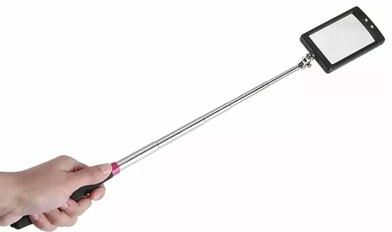
Multicon Wholesale Hub Telescoping Inspection Mirror Set Adjustable Flexible Inspection Mirror For Hard to Reach Spaces Telescoping Inspection Mirror Set Adjustable Flexible Inspection Mirror For Hard to Reach SpacesLooking for a versatile tool to help you inspect tight spaces The 2 Pack Telescoping Inspection Mirror Set is designed for those hardtoreach areas, making inspections easier than ever. Whether you're a mechanic, DIY enthusiast, or just need to check...69,97 $*Shipping: 0,00 $Secure redirect to the provider
-
Little Nest Industry Table & Stool Set in WhiteThis industrial chic table and chair set is fantastic for kids to use inside or out. We love the retro inspired aesthetic and fresh modern colors. This set includes 1 table and 2 stools.Dimensions: Table 31.5 x 31.5 x 19.68 (in.); Stools: 15.35 x...599,00 $*Shipping: 0,00 $Secure redirect to the provider


-
Why do biologists use light microscopes, even though electron microscopes offer much higher magnification?
Biologists use light microscopes because they are more versatile and can be used to observe living organisms in their natural state. Light microscopes also allow for the observation of a wider range of samples, including transparent or unstained specimens. Additionally, light microscopes are more affordable and easier to use compared to electron microscopes, making them more accessible to a wider range of researchers. **
-
How many microscopes for bacteria are there?
There are several types of microscopes that can be used to observe bacteria, including light microscopes, electron microscopes, and fluorescence microscopes. Each type of microscope has its own advantages and limitations for studying bacteria. For example, light microscopes are commonly used for observing live bacteria, while electron microscopes provide higher resolution images but require specialized sample preparation. Overall, there are multiple options for studying bacteria using microscopy, each with its own unique capabilities. **
-
What is the field of application for microscopes?
Microscopes are used in a wide range of fields including biology, medicine, chemistry, geology, and material science. In biology and medicine, microscopes are used to study cells, tissues, and microorganisms. In chemistry, they are used to analyze the structure of molecules and materials. In geology, microscopes are used to study minerals and rocks, while in material science, they are used to examine the structure and properties of various materials. Overall, microscopes are essential tools for studying and understanding the microscopic world. **
-
Do microscopes and telescopes have the same principle?
Microscopes and telescopes operate on similar principles of using lenses to magnify objects, but they are designed for different purposes. Microscopes are used to magnify small objects such as cells and microorganisms, while telescopes are used to observe distant objects in space. Both instruments rely on the manipulation of light to produce magnified images, but their specific designs and functions are tailored to their intended use. **


In which professions do people work exclusively with microscopes?
People who work exclusively with microscopes can be found in professions such as microbiology, histology, pathology, and certain fields of chemistry and materials science. Microbiologists study microorganisms, histologists examine the microscopic structure of tissues, pathologists analyze tissue samples for diseases, and scientists in chemistry and materials science use microscopes to study the properties and structures of materials at the microscopic level. These professionals rely on microscopes to conduct their research and analysis, making them an essential tool in their work. **
What are the advantages and disadvantages of light and electron microscopes?
Light microscopes are advantageous because they are more affordable, portable, and easier to use than electron microscopes. They also allow for live specimen observation and can visualize a wide range of samples. However, light microscopes have lower resolution and magnification capabilities compared to electron microscopes, limiting their ability to see smaller details. On the other hand, electron microscopes offer much higher resolution and magnification, allowing for the visualization of ultrafine details at the nanometer scale. They are ideal for studying subcellular structures and nanomaterials. However, electron microscopes are expensive, require specialized training to operate, and can only be used with dead specimens due to the high vacuum environment needed for imaging. **
Top-Angebote
Products related to Microscopes:
-
Salon Care Microwavable Heat Processing CapSalon Care Microwavable Heat Processing Cap just needs to be heated in the microwave, no cord, no fuss! The filling is 100% flaxseed and will hold heat for up to 30 minutes. The cap is reusable time and time again. Use with any hair treatment that...21,99 $*Shipping: 0,00 $Secure redirect to the provider
-
Officially Licensed Gas Safe Gas Safe® Landlord Safety Record for Leisure Industry – Pad of 25Gas Safe® Landlord Safety Record for Leisure Industry – Pack of 25 (GSRLILPAD14) The Gas Safe® Landlords Gas Safety Record Pad for the leisure industry is designed for gas safety inspections on boats and Leisure Accommodation Vehicles (LAVs). It contains 25 sets of carbonless 3-part forms, giving gas engineers, landlords and service companies working in the mobile leisure industry a straightforward way to keep compliant records. Reinforced double covers, a writing guard and triple stitched binding make the pad tough enough for outdoor and mobile use, and the A4 landscape layout is easy to complete in tight or awkward spaces typical of boats and LAVs. Each form is individually numbered and perforated for clean removal and a professional finish. Key Features & Benefits Leisure Se13,50 £*Shipping: 5,00 £Secure redirect to the provider
-
Superfresco Easy Industry Black WallpaperThe combination of deep charcoal and steel grey colors create a depth and atmosphere to this paper which will reflect in your home. Style with matt concrete textures and glossy metallic finishes to complete your scheme.80,00 $*Shipping: 0,00 $Secure redirect to the provider
-
Multicon Wholesale Hub Telescoping Inspection Mirror Set Adjustable Flexible Inspection Mirror For Hard to Reach Spaces Telescoping Inspection Mirror Set Adjustable Flexible Inspection Mirror For Hard to Reach SpacesLooking for a versatile tool to help you inspect tight spaces The 2 Pack Telescoping Inspection Mirror Set is designed for those hardtoreach areas, making inspections easier than ever. Whether you're a mechanic, DIY enthusiast, or just need to check...69,97 $*Shipping: 0,00 $Secure redirect to the provider
-
What are microscopes?
Microscopes are scientific instruments used to magnify and observe tiny objects that are not visible to the naked eye. They work by using lenses to focus light on the specimen, allowing for detailed examination of its structure and composition. Microscopes are commonly used in fields such as biology, medicine, chemistry, and materials science to study cells, microorganisms, crystals, and other small objects. There are different types of microscopes, including optical microscopes, electron microscopes, and scanning probe microscopes, each with its own specific capabilities and applications. **
-
What are the advantages and disadvantages of electron microscopes and light microscopes?
Electron microscopes have the advantage of higher resolution, allowing for the visualization of smaller structures such as individual molecules. They also have a greater magnification power compared to light microscopes. However, electron microscopes are more expensive, require specialized training to operate, and samples need to be placed in a vacuum, which can alter their natural state. On the other hand, light microscopes are more affordable, easier to use, and samples can be observed in their natural state without the need for special preparation. However, they have lower resolution and magnification capabilities compared to electron microscopes, limiting the ability to visualize very small structures. **
-
Why do biologists use light microscopes, even though electron microscopes offer much higher magnification?
Biologists use light microscopes because they are more versatile and can be used to observe living organisms in their natural state. Light microscopes also allow for the observation of a wider range of samples, including transparent or unstained specimens. Additionally, light microscopes are more affordable and easier to use compared to electron microscopes, making them more accessible to a wider range of researchers. **
-
How many microscopes for bacteria are there?
There are several types of microscopes that can be used to observe bacteria, including light microscopes, electron microscopes, and fluorescence microscopes. Each type of microscope has its own advantages and limitations for studying bacteria. For example, light microscopes are commonly used for observing live bacteria, while electron microscopes provide higher resolution images but require specialized sample preparation. Overall, there are multiple options for studying bacteria using microscopy, each with its own unique capabilities. **
Similar search terms for Microscopes
-
Little Nest Industry Table & Stool Set in WhiteThis industrial chic table and chair set is fantastic for kids to use inside or out. We love the retro inspired aesthetic and fresh modern colors. This set includes 1 table and 2 stools.Dimensions: Table 31.5 x 31.5 x 19.68 (in.); Stools: 15.35 x...599,00 $*Shipping: 0,00 $Secure redirect to the provider
-
Uplifted Finds Diagnostic 365nm UV Clinical Inspection Hub Diagnostic 365nm UV Clinical Inspection HubEnsure the dermatological integrity of your pet with the Clinical Inspection Hub, a professionalgrade diagnostic module engineered with 365nm UVspectrum logic. This highperformance device features a specialized Black Mirror filter technology...90,97 $*Shipping: 0,00 $Secure redirect to the provider
-
Market Central Telescoping LED Inspection Mirror For Mechanics Telescoping LED Inspection Mirror For MechanicsExperience the confidence of seeing what others can't. This LED inspection mirror helps you inspect tight, dark, and hardtoreach spaces without taking parts apart, making every repair faster and easier. Designed for mechanics, DIY enthusiasts, and...34,97 $*Shipping: 0,00 $Secure redirect to the provider
-
What is the field of application for microscopes?
Microscopes are used in a wide range of fields including biology, medicine, chemistry, geology, and material science. In biology and medicine, microscopes are used to study cells, tissues, and microorganisms. In chemistry, they are used to analyze the structure of molecules and materials. In geology, microscopes are used to study minerals and rocks, while in material science, they are used to examine the structure and properties of various materials. Overall, microscopes are essential tools for studying and understanding the microscopic world. **
-
Do microscopes and telescopes have the same principle?
Microscopes and telescopes operate on similar principles of using lenses to magnify objects, but they are designed for different purposes. Microscopes are used to magnify small objects such as cells and microorganisms, while telescopes are used to observe distant objects in space. Both instruments rely on the manipulation of light to produce magnified images, but their specific designs and functions are tailored to their intended use. **
-
In which professions do people work exclusively with microscopes?
People who work exclusively with microscopes can be found in professions such as microbiology, histology, pathology, and certain fields of chemistry and materials science. Microbiologists study microorganisms, histologists examine the microscopic structure of tissues, pathologists analyze tissue samples for diseases, and scientists in chemistry and materials science use microscopes to study the properties and structures of materials at the microscopic level. These professionals rely on microscopes to conduct their research and analysis, making them an essential tool in their work. **
-
What are the advantages and disadvantages of light and electron microscopes?
Light microscopes are advantageous because they are more affordable, portable, and easier to use than electron microscopes. They also allow for live specimen observation and can visualize a wide range of samples. However, light microscopes have lower resolution and magnification capabilities compared to electron microscopes, limiting their ability to see smaller details. On the other hand, electron microscopes offer much higher resolution and magnification, allowing for the visualization of ultrafine details at the nanometer scale. They are ideal for studying subcellular structures and nanomaterials. However, electron microscopes are expensive, require specialized training to operate, and can only be used with dead specimens due to the high vacuum environment needed for imaging. **
* All prices are inclusive of VAT and, if applicable, plus shipping costs. The offer information is based on the details provided by the respective shop and is updated through automated processes. Real-time updates do not occur, so deviations can occur in individual cases. ** Note: Parts of this content were created by AI.