Buy bmpa.eu ?
We are moving the project
bmpa.eu .
Are you interested in purchasing the domain
bmpa.eu ?
domain@kv-gmbh.de · 0541-91531010
Buy bmpa.eu ?
What is special about Taq polymerase?
Taq polymerase is special because it is derived from the thermophilic bacterium Thermus aquaticus, which thrives in high-temperature environments. This makes Taq polymerase highly heat-stable, allowing it to withstand the high temperatures used in the polymerase chain reaction (PCR) process. Additionally, Taq polymerase has a unique ability to add nucleotides to DNA strands at high temperatures, making it an essential enzyme for amplifying DNA in PCR. Its heat stability and unique enzymatic properties have made Taq polymerase a crucial tool in molecular biology and genetic research. **
When does the polymerase stop during PCR?
The polymerase stops during PCR at the end of each cycle when the temperature is lowered for the annealing step. This allows the primers to bind to the template DNA and the polymerase to begin synthesizing new DNA strands. After the annealing step, the polymerase resumes its activity during the extension step, where it adds nucleotides to the growing DNA strands. This cycle of denaturation, annealing, and extension is repeated multiple times to amplify the target DNA sequence. **

Similar search terms for Polymerase
Top-Angebote
Products related to Polymerase:
-
Officially Licensed Gas Safe Gas Safe® Landlord Safety Record for Leisure Industry – Pad of 25Gas Safe® Landlord Safety Record for Leisure Industry – Pack of 25 (GSRLILPAD14) The Gas Safe® Landlords Gas Safety Record Pad for the leisure industry is designed for gas safety inspections on boats and Leisure Accommodation Vehicles (LAVs). It contains 25 sets of carbonless 3-part forms, giving gas engineers, landlords and service companies working in the mobile leisure industry a straightforward way to keep compliant records. Reinforced double covers, a writing guard and triple stitched binding make the pad tough enough for outdoor and mobile use, and the A4 landscape layout is easy to complete in tight or awkward spaces typical of boats and LAVs. Each form is individually numbered and perforated for clean removal and a professional finish. Key Features & Benefits Leisure Se13,50 £*Shipping: 5,00 £Secure redirect to the provider
-
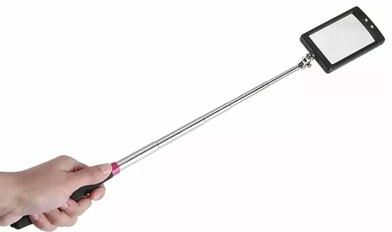
Multicon Wholesale Hub Telescoping Inspection Mirror Set Adjustable Flexible Inspection Mirror For Hard to Reach Spaces Telescoping Inspection Mirror Set Adjustable Flexible Inspection Mirror For Hard to Reach SpacesLooking for a versatile tool to help you inspect tight spaces The 2 Pack Telescoping Inspection Mirror Set is designed for those hardtoreach areas, making inspections easier than ever. Whether you're a mechanic, DIY enthusiast, or just need to check...69,97 $*Shipping: 0,00 $Secure redirect to the provider
-
Uplifted Finds Diagnostic 365nm UV Clinical Inspection Hub Diagnostic 365nm UV Clinical Inspection HubEnsure the dermatological integrity of your pet with the Clinical Inspection Hub, a professionalgrade diagnostic module engineered with 365nm UVspectrum logic. This highperformance device features a specialized Black Mirror filter technology...90,97 $*Shipping: 0,00 $Secure redirect to the provider
-
Market Central Telescoping LED Inspection Mirror For Mechanics Telescoping LED Inspection Mirror For MechanicsExperience the confidence of seeing what others can't. This LED inspection mirror helps you inspect tight, dark, and hardtoreach spaces without taking parts apart, making every repair faster and easier. Designed for mechanics, DIY enthusiasts, and...34,97 $*Shipping: 0,00 $Secure redirect to the provider



-
What is the function of polymerase in biology?
Polymerase is an enzyme that plays a crucial role in DNA replication and transcription. It is responsible for catalyzing the formation of new DNA strands by adding complementary nucleotides to a template DNA strand during replication. In transcription, polymerase helps in the synthesis of RNA molecules by transcribing the genetic information from DNA. Overall, polymerase is essential for the accurate and efficient copying of genetic information in cells. **
-
What is the difference between ligase and polymerase?
Ligase and polymerase are both enzymes involved in DNA replication and repair, but they have different functions. Polymerase is responsible for adding new nucleotides to the growing DNA strand during replication, while ligase is responsible for joining together the Okazaki fragments on the lagging strand of DNA. In other words, polymerase synthesizes new DNA strands, while ligase seals the nicks and gaps in the DNA backbone. Additionally, polymerase requires a primer to start DNA synthesis, while ligase does not. **
-
What is the difference between helicase and RNA polymerase?
Helicase is an enzyme that unwinds the double-stranded DNA helix during DNA replication, while RNA polymerase is an enzyme that synthesizes RNA from a DNA template during transcription. Helicase functions to separate the two DNA strands, allowing other enzymes like DNA polymerase to access the DNA for replication. On the other hand, RNA polymerase reads the DNA template and synthesizes a complementary RNA strand. Overall, helicase is involved in DNA replication, while RNA polymerase is involved in transcription. **
-
What is the Polymerase Chain Reaction (PCR) in brief?
The Polymerase Chain Reaction (PCR) is a laboratory technique used to amplify a specific segment of DNA. It involves a series of temperature-controlled cycles that cause the DNA to be repeatedly copied, resulting in a significant increase in the amount of DNA available for analysis. PCR is widely used in various fields such as genetics, forensics, and medical diagnostics, as it allows for the rapid and efficient replication of DNA sequences. This technique has revolutionized the study and application of DNA, enabling researchers to analyze and manipulate genetic material with high precision and speed. **
Why can't the polymerase chain reaction be used to replicate dinosaur DNA?
The polymerase chain reaction (PCR) cannot be used to replicate dinosaur DNA because the DNA from dinosaurs is too old and degraded. Over millions of years, the DNA breaks down and becomes fragmented, making it impossible to accurately replicate using PCR. Additionally, the PCR process requires specific sequences of DNA to work effectively, and the degraded nature of dinosaur DNA makes it difficult to find intact sequences to amplify. Therefore, other methods, such as paleogenomics, are being explored to study and potentially replicate dinosaur DNA. **
Why does the polymerase work in the 3'-5' direction and the 5'-3' direction?
The polymerase works in the 3'-5' direction during proofreading because it is able to detect and remove any incorrectly incorporated nucleotides. This direction allows the polymerase to recognize and excise the incorrect nucleotide from the 3' end of the growing DNA strand. On the other hand, the polymerase works in the 5'-3' direction during DNA synthesis because it adds new nucleotides to the 3' end of the growing DNA strand. This directionality is essential for the accurate and efficient replication of the DNA molecule. **
Top-Angebote
Products related to Polymerase:
-
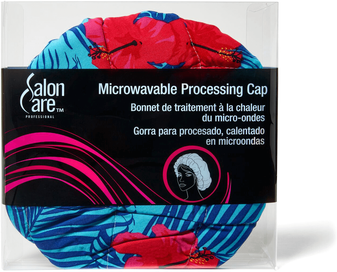
Salon Care Microwavable Heat Processing CapSalon Care Microwavable Heat Processing Cap just needs to be heated in the microwave, no cord, no fuss! The filling is 100% flaxseed and will hold heat for up to 30 minutes. The cap is reusable time and time again. Use with any hair treatment that...21,99 $*Shipping: 0,00 $Secure redirect to the provider
-
Superfresco Easy Industry Black WallpaperThe combination of deep charcoal and steel grey colors create a depth and atmosphere to this paper which will reflect in your home. Style with matt concrete textures and glossy metallic finishes to complete your scheme.80,00 $*Shipping: 0,00 $Secure redirect to the provider
-
Officially Licensed Gas Safe Gas Safe® Landlord Safety Record for Leisure Industry – Pad of 25Gas Safe® Landlord Safety Record for Leisure Industry – Pack of 25 (GSRLILPAD14) The Gas Safe® Landlords Gas Safety Record Pad for the leisure industry is designed for gas safety inspections on boats and Leisure Accommodation Vehicles (LAVs). It contains 25 sets of carbonless 3-part forms, giving gas engineers, landlords and service companies working in the mobile leisure industry a straightforward way to keep compliant records. Reinforced double covers, a writing guard and triple stitched binding make the pad tough enough for outdoor and mobile use, and the A4 landscape layout is easy to complete in tight or awkward spaces typical of boats and LAVs. Each form is individually numbered and perforated for clean removal and a professional finish. Key Features & Benefits Leisure Se13,50 £*Shipping: 5,00 £Secure redirect to the provider
-
Multicon Wholesale Hub Telescoping Inspection Mirror Set Adjustable Flexible Inspection Mirror For Hard to Reach Spaces Telescoping Inspection Mirror Set Adjustable Flexible Inspection Mirror For Hard to Reach SpacesLooking for a versatile tool to help you inspect tight spaces The 2 Pack Telescoping Inspection Mirror Set is designed for those hardtoreach areas, making inspections easier than ever. Whether you're a mechanic, DIY enthusiast, or just need to check...69,97 $*Shipping: 0,00 $Secure redirect to the provider
-
What is special about Taq polymerase?
Taq polymerase is special because it is derived from the thermophilic bacterium Thermus aquaticus, which thrives in high-temperature environments. This makes Taq polymerase highly heat-stable, allowing it to withstand the high temperatures used in the polymerase chain reaction (PCR) process. Additionally, Taq polymerase has a unique ability to add nucleotides to DNA strands at high temperatures, making it an essential enzyme for amplifying DNA in PCR. Its heat stability and unique enzymatic properties have made Taq polymerase a crucial tool in molecular biology and genetic research. **
-
When does the polymerase stop during PCR?
The polymerase stops during PCR at the end of each cycle when the temperature is lowered for the annealing step. This allows the primers to bind to the template DNA and the polymerase to begin synthesizing new DNA strands. After the annealing step, the polymerase resumes its activity during the extension step, where it adds nucleotides to the growing DNA strands. This cycle of denaturation, annealing, and extension is repeated multiple times to amplify the target DNA sequence. **
-
What is the function of polymerase in biology?
Polymerase is an enzyme that plays a crucial role in DNA replication and transcription. It is responsible for catalyzing the formation of new DNA strands by adding complementary nucleotides to a template DNA strand during replication. In transcription, polymerase helps in the synthesis of RNA molecules by transcribing the genetic information from DNA. Overall, polymerase is essential for the accurate and efficient copying of genetic information in cells. **
-
What is the difference between ligase and polymerase?
Ligase and polymerase are both enzymes involved in DNA replication and repair, but they have different functions. Polymerase is responsible for adding new nucleotides to the growing DNA strand during replication, while ligase is responsible for joining together the Okazaki fragments on the lagging strand of DNA. In other words, polymerase synthesizes new DNA strands, while ligase seals the nicks and gaps in the DNA backbone. Additionally, polymerase requires a primer to start DNA synthesis, while ligase does not. **
Similar search terms for Polymerase
-
Uplifted Finds Diagnostic 365nm UV Clinical Inspection Hub Diagnostic 365nm UV Clinical Inspection HubEnsure the dermatological integrity of your pet with the Clinical Inspection Hub, a professionalgrade diagnostic module engineered with 365nm UVspectrum logic. This highperformance device features a specialized Black Mirror filter technology...90,97 $*Shipping: 0,00 $Secure redirect to the provider
-
Market Central Telescoping LED Inspection Mirror For Mechanics Telescoping LED Inspection Mirror For MechanicsExperience the confidence of seeing what others can't. This LED inspection mirror helps you inspect tight, dark, and hardtoreach spaces without taking parts apart, making every repair faster and easier. Designed for mechanics, DIY enthusiasts, and...34,97 $*Shipping: 0,00 $Secure redirect to the provider
-
What is the difference between helicase and RNA polymerase?
Helicase is an enzyme that unwinds the double-stranded DNA helix during DNA replication, while RNA polymerase is an enzyme that synthesizes RNA from a DNA template during transcription. Helicase functions to separate the two DNA strands, allowing other enzymes like DNA polymerase to access the DNA for replication. On the other hand, RNA polymerase reads the DNA template and synthesizes a complementary RNA strand. Overall, helicase is involved in DNA replication, while RNA polymerase is involved in transcription. **
-
What is the Polymerase Chain Reaction (PCR) in brief?
The Polymerase Chain Reaction (PCR) is a laboratory technique used to amplify a specific segment of DNA. It involves a series of temperature-controlled cycles that cause the DNA to be repeatedly copied, resulting in a significant increase in the amount of DNA available for analysis. PCR is widely used in various fields such as genetics, forensics, and medical diagnostics, as it allows for the rapid and efficient replication of DNA sequences. This technique has revolutionized the study and application of DNA, enabling researchers to analyze and manipulate genetic material with high precision and speed. **
-
Why can't the polymerase chain reaction be used to replicate dinosaur DNA?
The polymerase chain reaction (PCR) cannot be used to replicate dinosaur DNA because the DNA from dinosaurs is too old and degraded. Over millions of years, the DNA breaks down and becomes fragmented, making it impossible to accurately replicate using PCR. Additionally, the PCR process requires specific sequences of DNA to work effectively, and the degraded nature of dinosaur DNA makes it difficult to find intact sequences to amplify. Therefore, other methods, such as paleogenomics, are being explored to study and potentially replicate dinosaur DNA. **
-
Why does the polymerase work in the 3'-5' direction and the 5'-3' direction?
The polymerase works in the 3'-5' direction during proofreading because it is able to detect and remove any incorrectly incorporated nucleotides. This direction allows the polymerase to recognize and excise the incorrect nucleotide from the 3' end of the growing DNA strand. On the other hand, the polymerase works in the 5'-3' direction during DNA synthesis because it adds new nucleotides to the 3' end of the growing DNA strand. This directionality is essential for the accurate and efficient replication of the DNA molecule. **
* All prices are inclusive of VAT and, if applicable, plus shipping costs. The offer information is based on the details provided by the respective shop and is updated through automated processes. Real-time updates do not occur, so deviations can occur in individual cases. ** Note: Parts of this content were created by AI.