Buy bmpa.eu ?
We are moving the project
bmpa.eu .
Are you interested in purchasing the domain
bmpa.eu ?
domain@kv-gmbh.de · 0541-91531010
Buy bmpa.eu ?
What percentage of relatedness is there with relatives?
The percentage of relatedness with relatives depends on the specific relationship. For example, siblings share about 50% of their genetic material, while parents and children share about 50% as well. Grandparents and grandchildren share about 25% of their genetic material. The percentage decreases as the degree of relatedness decreases, such as with cousins who share about 12.5% of their genetic material. Overall, the percentage of relatedness varies depending on the specific familial relationship. **
What percentage of relatedness is there with the uncle?
The percentage of relatedness with an uncle is 25%. This is because an uncle shares 25% of their DNA with their niece or nephew. This is because the uncle and the niece or nephew share one set of grandparents, which accounts for 25% of their genetic material being the same. **


Similar search terms for Relatedness
Top-Angebote
Products related to Relatedness:
-
Officially Licensed Gas Safe Gas Safe® Landlord Safety Record for Leisure Industry – Pad of 25Gas Safe® Landlord Safety Record for Leisure Industry – Pack of 25 (GSRLILPAD14) The Gas Safe® Landlords Gas Safety Record Pad for the leisure industry is designed for gas safety inspections on boats and Leisure Accommodation Vehicles (LAVs). It contains 25 sets of carbonless 3-part forms, giving gas engineers, landlords and service companies working in the mobile leisure industry a straightforward way to keep compliant records. Reinforced double covers, a writing guard and triple stitched binding make the pad tough enough for outdoor and mobile use, and the A4 landscape layout is easy to complete in tight or awkward spaces typical of boats and LAVs. Each form is individually numbered and perforated for clean removal and a professional finish. Key Features & Benefits Leisure Se13,50 £*Shipping: 5,00 £Secure redirect to the provider
-
Multicon Wholesale Hub Telescoping Inspection Mirror Set Adjustable Flexible Inspection Mirror For Hard to Reach Spaces Telescoping Inspection Mirror Set Adjustable Flexible Inspection Mirror For Hard to Reach SpacesLooking for a versatile tool to help you inspect tight spaces The 2 Pack Telescoping Inspection Mirror Set is designed for those hardtoreach areas, making inspections easier than ever. Whether you're a mechanic, DIY enthusiast, or just need to check...69,97 $*Shipping: 0,00 $Secure redirect to the provider
-
Uplifted Finds Diagnostic 365nm UV Clinical Inspection Hub Diagnostic 365nm UV Clinical Inspection HubEnsure the dermatological integrity of your pet with the Clinical Inspection Hub, a professionalgrade diagnostic module engineered with 365nm UVspectrum logic. This highperformance device features a specialized Black Mirror filter technology...90,97 $*Shipping: 0,00 $Secure redirect to the provider
-
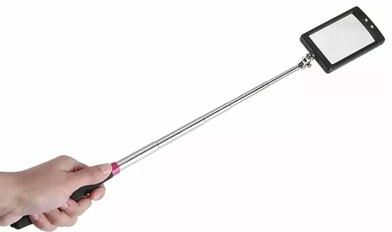
Market Central Telescoping LED Inspection Mirror For Mechanics Telescoping LED Inspection Mirror For MechanicsExperience the confidence of seeing what others can't. This LED inspection mirror helps you inspect tight, dark, and hardtoreach spaces without taking parts apart, making every repair faster and easier. Designed for mechanics, DIY enthusiasts, and...34,97 $*Shipping: 0,00 $Secure redirect to the provider



-
How can one represent the relatedness of bears using family trees in biology and evolution?
In biology and evolution, family trees can be used to represent the relatedness of bears by showing the evolutionary relationships between different species and subspecies. By constructing a family tree, scientists can visually depict the common ancestry and divergence of different bear species over time. This can help in understanding the evolutionary history of bears and how they are related to each other. Family trees can also show the genetic relatedness between different bear populations, providing insights into their genetic diversity and conservation. **
-
What methods for determining relatedness exist in evolution and genetics for the biology high school graduation exam?
In evolution and genetics, relatedness can be determined through various methods such as DNA sequencing, phylogenetic analysis, and genetic markers. DNA sequencing involves comparing the genetic material of different organisms to identify similarities and differences, which can help determine their relatedness. Phylogenetic analysis uses the evolutionary relationships between different species to infer their relatedness based on shared ancestry. Genetic markers, such as specific DNA sequences or alleles, can also be used to assess relatedness by comparing the presence or absence of these markers in different individuals or populations. These methods are important for understanding the evolutionary history and genetic relationships between different organisms, and are essential for studying biodiversity and species conservation. **
-
What is a fire safety inspection?
A fire safety inspection is a thorough examination of a building or property to ensure that it meets all necessary fire safety regulations and standards. During the inspection, trained professionals assess various aspects of the property, such as fire alarms, sprinkler systems, emergency exits, and overall fire hazards. The goal of a fire safety inspection is to identify and address any potential fire risks and ensure that the property is equipped to prevent and respond to fires effectively. This helps to protect the occupants of the building and minimize the potential for fire-related damage. **
-
What is the difference between the botanical and biological concept of relatedness in plants, if such a concept exists?
The botanical concept of relatedness in plants refers to their classification based on their physical characteristics, such as their flower structure, leaf arrangement, and other morphological features. This concept is used to group plants into families, genera, and species based on their shared traits. On the other hand, the biological concept of relatedness in plants focuses on their genetic relationships and evolutionary history. This concept is based on DNA analysis and phylogenetic studies to determine how closely related different plant species are and how they have evolved over time. While both concepts aim to understand the relatedness of plants, the botanical concept focuses on physical traits, while the biological concept focuses on genetic and evolutionary relationships. **

Is a meat inspection also possible for meat from the farm shop?
Yes, a meat inspection is possible for meat from the farm shop. The meat inspection ensures that the meat is safe for consumption and meets the necessary quality standards. This process helps to maintain the health and safety of consumers and ensures that the meat is free from any harmful contaminants. Whether the meat is from a farm shop or a larger retailer, it should undergo the same inspection process to ensure its safety and quality. **
What does the Gyros and minced meat regulation state?
The Gyros and minced meat regulation states that gyros must contain at least 60% meat, with a maximum fat content of 25%. Additionally, the regulation requires that minced meat products must not contain more than 30% fat. These regulations are in place to ensure the quality and safety of gyros and minced meat products for consumers. **
Top-Angebote
Products related to Relatedness:
-
Salon Care Microwavable Heat Processing CapSalon Care Microwavable Heat Processing Cap just needs to be heated in the microwave, no cord, no fuss! The filling is 100% flaxseed and will hold heat for up to 30 minutes. The cap is reusable time and time again. Use with any hair treatment that...21,99 $*Shipping: 0,00 $Secure redirect to the provider
-
Superfresco Easy Industry Black WallpaperThe combination of deep charcoal and steel grey colors create a depth and atmosphere to this paper which will reflect in your home. Style with matt concrete textures and glossy metallic finishes to complete your scheme.80,00 $*Shipping: 0,00 $Secure redirect to the provider
-
Officially Licensed Gas Safe Gas Safe® Landlord Safety Record for Leisure Industry – Pad of 25Gas Safe® Landlord Safety Record for Leisure Industry – Pack of 25 (GSRLILPAD14) The Gas Safe® Landlords Gas Safety Record Pad for the leisure industry is designed for gas safety inspections on boats and Leisure Accommodation Vehicles (LAVs). It contains 25 sets of carbonless 3-part forms, giving gas engineers, landlords and service companies working in the mobile leisure industry a straightforward way to keep compliant records. Reinforced double covers, a writing guard and triple stitched binding make the pad tough enough for outdoor and mobile use, and the A4 landscape layout is easy to complete in tight or awkward spaces typical of boats and LAVs. Each form is individually numbered and perforated for clean removal and a professional finish. Key Features & Benefits Leisure Se13,50 £*Shipping: 5,00 £Secure redirect to the provider
-
Multicon Wholesale Hub Telescoping Inspection Mirror Set Adjustable Flexible Inspection Mirror For Hard to Reach Spaces Telescoping Inspection Mirror Set Adjustable Flexible Inspection Mirror For Hard to Reach SpacesLooking for a versatile tool to help you inspect tight spaces The 2 Pack Telescoping Inspection Mirror Set is designed for those hardtoreach areas, making inspections easier than ever. Whether you're a mechanic, DIY enthusiast, or just need to check...69,97 $*Shipping: 0,00 $Secure redirect to the provider
-
What percentage of relatedness is there with relatives?
The percentage of relatedness with relatives depends on the specific relationship. For example, siblings share about 50% of their genetic material, while parents and children share about 50% as well. Grandparents and grandchildren share about 25% of their genetic material. The percentage decreases as the degree of relatedness decreases, such as with cousins who share about 12.5% of their genetic material. Overall, the percentage of relatedness varies depending on the specific familial relationship. **
-
What percentage of relatedness is there with the uncle?
The percentage of relatedness with an uncle is 25%. This is because an uncle shares 25% of their DNA with their niece or nephew. This is because the uncle and the niece or nephew share one set of grandparents, which accounts for 25% of their genetic material being the same. **
-
How can one represent the relatedness of bears using family trees in biology and evolution?
In biology and evolution, family trees can be used to represent the relatedness of bears by showing the evolutionary relationships between different species and subspecies. By constructing a family tree, scientists can visually depict the common ancestry and divergence of different bear species over time. This can help in understanding the evolutionary history of bears and how they are related to each other. Family trees can also show the genetic relatedness between different bear populations, providing insights into their genetic diversity and conservation. **
-
What methods for determining relatedness exist in evolution and genetics for the biology high school graduation exam?
In evolution and genetics, relatedness can be determined through various methods such as DNA sequencing, phylogenetic analysis, and genetic markers. DNA sequencing involves comparing the genetic material of different organisms to identify similarities and differences, which can help determine their relatedness. Phylogenetic analysis uses the evolutionary relationships between different species to infer their relatedness based on shared ancestry. Genetic markers, such as specific DNA sequences or alleles, can also be used to assess relatedness by comparing the presence or absence of these markers in different individuals or populations. These methods are important for understanding the evolutionary history and genetic relationships between different organisms, and are essential for studying biodiversity and species conservation. **
Similar search terms for Relatedness
-
Uplifted Finds Diagnostic 365nm UV Clinical Inspection Hub Diagnostic 365nm UV Clinical Inspection HubEnsure the dermatological integrity of your pet with the Clinical Inspection Hub, a professionalgrade diagnostic module engineered with 365nm UVspectrum logic. This highperformance device features a specialized Black Mirror filter technology...90,97 $*Shipping: 0,00 $Secure redirect to the provider
-
Market Central Telescoping LED Inspection Mirror For Mechanics Telescoping LED Inspection Mirror For MechanicsExperience the confidence of seeing what others can't. This LED inspection mirror helps you inspect tight, dark, and hardtoreach spaces without taking parts apart, making every repair faster and easier. Designed for mechanics, DIY enthusiasts, and...34,97 $*Shipping: 0,00 $Secure redirect to the provider
-
What is a fire safety inspection?
A fire safety inspection is a thorough examination of a building or property to ensure that it meets all necessary fire safety regulations and standards. During the inspection, trained professionals assess various aspects of the property, such as fire alarms, sprinkler systems, emergency exits, and overall fire hazards. The goal of a fire safety inspection is to identify and address any potential fire risks and ensure that the property is equipped to prevent and respond to fires effectively. This helps to protect the occupants of the building and minimize the potential for fire-related damage. **
-
What is the difference between the botanical and biological concept of relatedness in plants, if such a concept exists?
The botanical concept of relatedness in plants refers to their classification based on their physical characteristics, such as their flower structure, leaf arrangement, and other morphological features. This concept is used to group plants into families, genera, and species based on their shared traits. On the other hand, the biological concept of relatedness in plants focuses on their genetic relationships and evolutionary history. This concept is based on DNA analysis and phylogenetic studies to determine how closely related different plant species are and how they have evolved over time. While both concepts aim to understand the relatedness of plants, the botanical concept focuses on physical traits, while the biological concept focuses on genetic and evolutionary relationships. **
-
Is a meat inspection also possible for meat from the farm shop?
Yes, a meat inspection is possible for meat from the farm shop. The meat inspection ensures that the meat is safe for consumption and meets the necessary quality standards. This process helps to maintain the health and safety of consumers and ensures that the meat is free from any harmful contaminants. Whether the meat is from a farm shop or a larger retailer, it should undergo the same inspection process to ensure its safety and quality. **
-
What does the Gyros and minced meat regulation state?
The Gyros and minced meat regulation states that gyros must contain at least 60% meat, with a maximum fat content of 25%. Additionally, the regulation requires that minced meat products must not contain more than 30% fat. These regulations are in place to ensure the quality and safety of gyros and minced meat products for consumers. **
* All prices are inclusive of VAT and, if applicable, plus shipping costs. The offer information is based on the details provided by the respective shop and is updated through automated processes. Real-time updates do not occur, so deviations can occur in individual cases. ** Note: Parts of this content were created by AI.