Buy bmpa.eu ?
We are moving the project
bmpa.eu .
Are you interested in purchasing the domain
bmpa.eu ?
domain@kv-gmbh.de · 0541-91531010
Buy bmpa.eu ?
Can you explain saponification?
Saponification is a chemical reaction that occurs when a fat or oil is mixed with a strong alkali, such as sodium hydroxide (lye), resulting in the formation of soap and glycerin. During saponification, the alkali breaks down the ester bonds in the fat molecules, releasing fatty acids and glycerol. The fatty acids then react with the alkali to form soap molecules, while glycerin is a byproduct of the reaction. This process is commonly used in the production of soap. **
How does saponification work in chemistry?
Saponification is a chemical reaction that involves the hydrolysis of ester bonds in fats and oils by a strong base, typically sodium hydroxide or potassium hydroxide. This reaction results in the formation of glycerol and soap molecules, which are the salts of fatty acids. The hydroxide ions from the base break the ester bonds in the triglyceride molecules, releasing the fatty acids and glycerol. The fatty acids then react with the metal ions from the base to form soap molecules, which are soluble in water and have detergent properties. **

Similar search terms for Saponification
Top-Angebote
Products related to Saponification:
-
Superfresco Easy Industry Black WallpaperThe combination of deep charcoal and steel grey colors create a depth and atmosphere to this paper which will reflect in your home. Style with matt concrete textures and glossy metallic finishes to complete your scheme.80,00 $*Shipping: 0,00 $Secure redirect to the provider
-
Multicon Wholesale Hub Telescoping Inspection Mirror Set Adjustable Flexible Inspection Mirror For Hard to Reach Spaces Telescoping Inspection Mirror Set Adjustable Flexible Inspection Mirror For Hard to Reach SpacesLooking for a versatile tool to help you inspect tight spaces The 2 Pack Telescoping Inspection Mirror Set is designed for those hardtoreach areas, making inspections easier than ever. Whether you're a mechanic, DIY enthusiast, or just need to check...69,97 $*Shipping: 0,00 $Secure redirect to the provider


-
What are chemical reactions in saponification?
Chemical reactions in saponification involve the reaction of a fat or oil with a strong base, typically sodium hydroxide or potassium hydroxide. This reaction results in the formation of soap and glycerol. The fatty acids in the fat or oil react with the base to form the soap molecules, while glycerol is a byproduct of the reaction. Saponification is a key process in soap-making and is essential for the production of soap. **
-
Is this saponification reaction equation correct?
Yes, the saponification reaction equation provided is correct. Saponification is the process of making soap by reacting a fat or oil with a strong base, such as sodium hydroxide or potassium hydroxide. The reaction results in the formation of soap (sodium or potassium salts of fatty acids) and glycerol. The equation shown accurately represents this chemical transformation. **
-
What is the equation for saponification?
The general equation for saponification is: ester + base → alcohol + carboxylate salt. In the specific case of the saponification of a triglyceride (fat or oil) with a strong base such as sodium hydroxide, the equation is: triglyceride + sodium hydroxide → glycerol + 3 fatty acid salts. **
-
How can one derive the saponification value?
The saponification value can be derived by determining the amount of potassium hydroxide (KOH) or sodium hydroxide (NaOH) required to saponify a specific amount of fat or oil. This is typically done through a chemical reaction where the fat or oil is mixed with a known concentration of KOH or NaOH. The amount of KOH or NaOH used in the reaction is then measured, and the saponification value is calculated based on the molecular weight of the fat or oil. This value is important in determining the amount of alkali needed for soap making or in assessing the purity of fats and oils. **


What is the reaction equation for saponification?
The reaction equation for saponification involves the hydrolysis of an ester, typically a triglyceride, with a strong base such as sodium hydroxide or potassium hydroxide. The general equation for saponification is: Ester + Base → Alcohol + Salt of Fatty Acid. For example, in the saponification of a triglyceride like olive oil, the reaction equation would be: Triglyceride (olive oil) + 3NaOH → Glycerol + 3 Sodium Salts of Fatty Acids (soap). **
Need help with calculating the saponification value.
To calculate the saponification value of a fat or oil, you need to know the molecular weight of the fatty acid present in the sample. The saponification value is the amount of potassium hydroxide (KOH) required to saponify one gram of the fat or oil. You can calculate the saponification value using the formula: Saponification value = (560 x saponification equivalent weight) / molecular weight of the fatty acid. This value is important in determining the amount of lye needed for soap making or in quality control of fats and oils. **
Top-Angebote
Products related to Saponification:
-
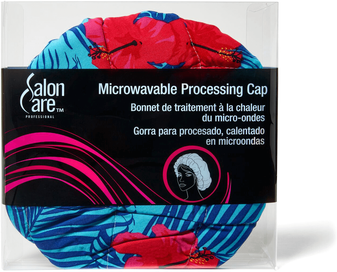
Salon Care Microwavable Heat Processing CapSalon Care Microwavable Heat Processing Cap just needs to be heated in the microwave, no cord, no fuss! The filling is 100% flaxseed and will hold heat for up to 30 minutes. The cap is reusable time and time again. Use with any hair treatment that...21,99 $*Shipping: 0,00 $Secure redirect to the provider
-
Officially Licensed Gas Safe Gas Safe® Landlord Safety Record for Leisure Industry – Pad of 25Gas Safe® Landlord Safety Record for Leisure Industry – Pack of 25 (GSRLILPAD14) The Gas Safe® Landlords Gas Safety Record Pad for the leisure industry is designed for gas safety inspections on boats and Leisure Accommodation Vehicles (LAVs). It contains 25 sets of carbonless 3-part forms, giving gas engineers, landlords and service companies working in the mobile leisure industry a straightforward way to keep compliant records. Reinforced double covers, a writing guard and triple stitched binding make the pad tough enough for outdoor and mobile use, and the A4 landscape layout is easy to complete in tight or awkward spaces typical of boats and LAVs. Each form is individually numbered and perforated for clean removal and a professional finish. Key Features & Benefits Leisure Se13,50 £*Shipping: 5,00 £Secure redirect to the provider
-
Superfresco Easy Industry Black WallpaperThe combination of deep charcoal and steel grey colors create a depth and atmosphere to this paper which will reflect in your home. Style with matt concrete textures and glossy metallic finishes to complete your scheme.80,00 $*Shipping: 0,00 $Secure redirect to the provider
-
Multicon Wholesale Hub Telescoping Inspection Mirror Set Adjustable Flexible Inspection Mirror For Hard to Reach Spaces Telescoping Inspection Mirror Set Adjustable Flexible Inspection Mirror For Hard to Reach SpacesLooking for a versatile tool to help you inspect tight spaces The 2 Pack Telescoping Inspection Mirror Set is designed for those hardtoreach areas, making inspections easier than ever. Whether you're a mechanic, DIY enthusiast, or just need to check...69,97 $*Shipping: 0,00 $Secure redirect to the provider
-
Can you explain saponification?
Saponification is a chemical reaction that occurs when a fat or oil is mixed with a strong alkali, such as sodium hydroxide (lye), resulting in the formation of soap and glycerin. During saponification, the alkali breaks down the ester bonds in the fat molecules, releasing fatty acids and glycerol. The fatty acids then react with the alkali to form soap molecules, while glycerin is a byproduct of the reaction. This process is commonly used in the production of soap. **
-
How does saponification work in chemistry?
Saponification is a chemical reaction that involves the hydrolysis of ester bonds in fats and oils by a strong base, typically sodium hydroxide or potassium hydroxide. This reaction results in the formation of glycerol and soap molecules, which are the salts of fatty acids. The hydroxide ions from the base break the ester bonds in the triglyceride molecules, releasing the fatty acids and glycerol. The fatty acids then react with the metal ions from the base to form soap molecules, which are soluble in water and have detergent properties. **
-
What are chemical reactions in saponification?
Chemical reactions in saponification involve the reaction of a fat or oil with a strong base, typically sodium hydroxide or potassium hydroxide. This reaction results in the formation of soap and glycerol. The fatty acids in the fat or oil react with the base to form the soap molecules, while glycerol is a byproduct of the reaction. Saponification is a key process in soap-making and is essential for the production of soap. **
-
Is this saponification reaction equation correct?
Yes, the saponification reaction equation provided is correct. Saponification is the process of making soap by reacting a fat or oil with a strong base, such as sodium hydroxide or potassium hydroxide. The reaction results in the formation of soap (sodium or potassium salts of fatty acids) and glycerol. The equation shown accurately represents this chemical transformation. **
Similar search terms for Saponification
-
Market Central Telescoping LED Inspection Mirror For Mechanics Telescoping LED Inspection Mirror For MechanicsExperience the confidence of seeing what others can't. This LED inspection mirror helps you inspect tight, dark, and hardtoreach spaces without taking parts apart, making every repair faster and easier. Designed for mechanics, DIY enthusiasts, and...34,97 $*Shipping: 0,00 $Secure redirect to the provider
-
Uplifted Finds Diagnostic 365nm UV Clinical Inspection Hub Diagnostic 365nm UV Clinical Inspection HubEnsure the dermatological integrity of your pet with the Clinical Inspection Hub, a professionalgrade diagnostic module engineered with 365nm UVspectrum logic. This highperformance device features a specialized Black Mirror filter technology...90,97 $*Shipping: 0,00 $Secure redirect to the provider
-
What is the equation for saponification?
The general equation for saponification is: ester + base → alcohol + carboxylate salt. In the specific case of the saponification of a triglyceride (fat or oil) with a strong base such as sodium hydroxide, the equation is: triglyceride + sodium hydroxide → glycerol + 3 fatty acid salts. **
-
How can one derive the saponification value?
The saponification value can be derived by determining the amount of potassium hydroxide (KOH) or sodium hydroxide (NaOH) required to saponify a specific amount of fat or oil. This is typically done through a chemical reaction where the fat or oil is mixed with a known concentration of KOH or NaOH. The amount of KOH or NaOH used in the reaction is then measured, and the saponification value is calculated based on the molecular weight of the fat or oil. This value is important in determining the amount of alkali needed for soap making or in assessing the purity of fats and oils. **
-
What is the reaction equation for saponification?
The reaction equation for saponification involves the hydrolysis of an ester, typically a triglyceride, with a strong base such as sodium hydroxide or potassium hydroxide. The general equation for saponification is: Ester + Base → Alcohol + Salt of Fatty Acid. For example, in the saponification of a triglyceride like olive oil, the reaction equation would be: Triglyceride (olive oil) + 3NaOH → Glycerol + 3 Sodium Salts of Fatty Acids (soap). **
-
Need help with calculating the saponification value.
To calculate the saponification value of a fat or oil, you need to know the molecular weight of the fatty acid present in the sample. The saponification value is the amount of potassium hydroxide (KOH) required to saponify one gram of the fat or oil. You can calculate the saponification value using the formula: Saponification value = (560 x saponification equivalent weight) / molecular weight of the fatty acid. This value is important in determining the amount of lye needed for soap making or in quality control of fats and oils. **
* All prices are inclusive of VAT and, if applicable, plus shipping costs. The offer information is based on the details provided by the respective shop and is updated through automated processes. Real-time updates do not occur, so deviations can occur in individual cases. ** Note: Parts of this content were created by AI.