Buy bmpa.eu ?
We are moving the project
bmpa.eu .
Are you interested in purchasing the domain
bmpa.eu ?
domain@kv-gmbh.de · 0541-91531010
Buy bmpa.eu ?
Was Yugoslavia a democracy?
Yugoslavia was officially a socialist federal republic, and its political system was based on the principles of self-management and workers' councils. While it had elements of a multi-party system and periodic elections, the Communist Party held a dominant position in the government and society. This limited the true democratic nature of the country, as the ruling party had significant control over political and social life. Therefore, while Yugoslavia had some democratic features, it did not fully function as a liberal democracy. **
What happened to Yugoslavia?
Yugoslavia was a country in Southeast Europe that existed from 1918 to 2003. It was formed after World War I and consisted of several different ethnic groups, including Serbs, Croats, and Bosniaks. However, ethnic tensions and political conflicts eventually led to the breakup of Yugoslavia in the 1990s. This breakup resulted in a series of violent conflicts, including the Bosnian War and the Kosovo War. By 2003, the remaining parts of Yugoslavia had all become independent nations, including Serbia, Croatia, Bosnia and Herzegovina, Montenegro, North Macedonia, and Slovenia. **

Similar search terms for Yugoslavia
Top-Angebote
Products related to Yugoslavia:
-
Superfresco Easy Industry Black WallpaperThe combination of deep charcoal and steel grey colors create a depth and atmosphere to this paper which will reflect in your home. Style with matt concrete textures and glossy metallic finishes to complete your scheme.80,00 $*Shipping: 0,00 $Secure redirect to the provider
-
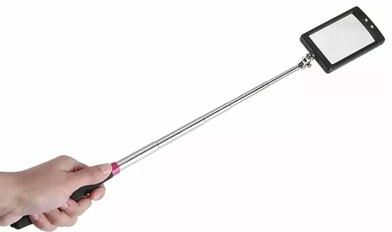
Multicon Wholesale Hub Telescoping Inspection Mirror Set Adjustable Flexible Inspection Mirror For Hard to Reach Spaces Telescoping Inspection Mirror Set Adjustable Flexible Inspection Mirror For Hard to Reach SpacesLooking for a versatile tool to help you inspect tight spaces The 2 Pack Telescoping Inspection Mirror Set is designed for those hardtoreach areas, making inspections easier than ever. Whether you're a mechanic, DIY enthusiast, or just need to check...69,97 $*Shipping: 0,00 $Secure redirect to the provider
-
Market Central Telescoping LED Inspection Mirror For Mechanics Telescoping LED Inspection Mirror For MechanicsExperience the confidence of seeing what others can't. This LED inspection mirror helps you inspect tight, dark, and hardtoreach spaces without taking parts apart, making every repair faster and easier. Designed for mechanics, DIY enthusiasts, and...34,97 $*Shipping: 0,00 $Secure redirect to the provider


-
What is Yugoslavia called today?
Yugoslavia is no longer a country. It dissolved in the early 1990s due to ethnic conflicts and is now split into several independent countries. These countries include Serbia, Croatia, Slovenia, Bosnia and Herzegovina, Montenegro, Kosovo, and North Macedonia. **
-
Which language was spoken in Yugoslavia?
The main language spoken in Yugoslavia was Serbo-Croatian, which is a South Slavic language. This language was a combination of Serbian and Croatian dialects and was used as the official language of the country. Other languages spoken in Yugoslavia included Slovenian, Macedonian, and Albanian, reflecting the diverse ethnic makeup of the country. **
-
How would Yugoslavia look like today?
It is difficult to predict exactly how Yugoslavia would look like today as there are many factors to consider. However, it is possible that the country would have faced challenges due to its diverse ethnic and religious makeup. There may have been ongoing tensions between different groups, potentially leading to political instability and conflict. On the other hand, if the country had managed to maintain unity and stability, it could have been a strong player in the region with a diverse and vibrant culture. **
-
What is the problem regarding Yugoslavia?
The problem regarding Yugoslavia is the ongoing ethnic and political tensions that have persisted since the breakup of the country in the 1990s. The region has experienced violent conflicts and wars, resulting in the loss of thousands of lives and the displacement of millions of people. The unresolved issues of ethnic nationalism, territorial disputes, and political instability continue to hinder the progress and stability of the region. Additionally, the lack of reconciliation and accountability for war crimes and human rights abuses further complicates efforts to achieve lasting peace and stability in the former Yugoslav states. **


Is Yugoslavia a world power today?
No, Yugoslavia is not a world power today. In fact, Yugoslavia as a political entity ceased to exist in the 1990s, breaking up into several independent countries including Serbia, Croatia, Bosnia and Herzegovina, Montenegro, North Macedonia, and Slovenia. These individual countries do not hold the same level of global influence or power as the former Yugoslavia once did. Therefore, Yugoslavia is not a world power today. **
Why does Yugoslavia no longer exist?
Yugoslavia no longer exists due to a combination of factors, including ethnic and nationalist tensions, economic difficulties, and the collapse of communism. The country was made up of multiple ethnic groups, including Serbs, Croats, and Bosnians, which led to internal conflicts and eventually the breakup of the country. Additionally, the fall of communism in Eastern Europe and the economic struggles that followed contributed to the disintegration of Yugoslavia. Ultimately, these factors led to the secession of various republics and the eventual dissolution of the country. **
Top-Angebote
Products related to Yugoslavia:
-
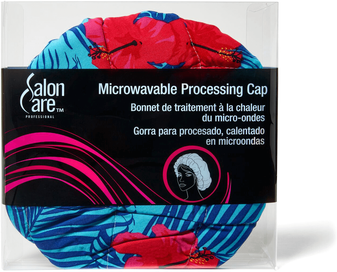
Salon Care Microwavable Heat Processing CapSalon Care Microwavable Heat Processing Cap just needs to be heated in the microwave, no cord, no fuss! The filling is 100% flaxseed and will hold heat for up to 30 minutes. The cap is reusable time and time again. Use with any hair treatment that...21,99 $*Shipping: 0,00 $Secure redirect to the provider
-
Officially Licensed Gas Safe Gas Safe® Landlord Safety Record for Leisure Industry – Pad of 25Gas Safe® Landlord Safety Record for Leisure Industry – Pack of 25 (GSRLILPAD14) The Gas Safe® Landlords Gas Safety Record Pad for the leisure industry is designed for gas safety inspections on boats and Leisure Accommodation Vehicles (LAVs). It contains 25 sets of carbonless 3-part forms, giving gas engineers, landlords and service companies working in the mobile leisure industry a straightforward way to keep compliant records. Reinforced double covers, a writing guard and triple stitched binding make the pad tough enough for outdoor and mobile use, and the A4 landscape layout is easy to complete in tight or awkward spaces typical of boats and LAVs. Each form is individually numbered and perforated for clean removal and a professional finish. Key Features & Benefits Leisure Se13,50 £*Shipping: 5,00 £Secure redirect to the provider
-
Superfresco Easy Industry Black WallpaperThe combination of deep charcoal and steel grey colors create a depth and atmosphere to this paper which will reflect in your home. Style with matt concrete textures and glossy metallic finishes to complete your scheme.80,00 $*Shipping: 0,00 $Secure redirect to the provider
-
Multicon Wholesale Hub Telescoping Inspection Mirror Set Adjustable Flexible Inspection Mirror For Hard to Reach Spaces Telescoping Inspection Mirror Set Adjustable Flexible Inspection Mirror For Hard to Reach SpacesLooking for a versatile tool to help you inspect tight spaces The 2 Pack Telescoping Inspection Mirror Set is designed for those hardtoreach areas, making inspections easier than ever. Whether you're a mechanic, DIY enthusiast, or just need to check...69,97 $*Shipping: 0,00 $Secure redirect to the provider
-
Was Yugoslavia a democracy?
Yugoslavia was officially a socialist federal republic, and its political system was based on the principles of self-management and workers' councils. While it had elements of a multi-party system and periodic elections, the Communist Party held a dominant position in the government and society. This limited the true democratic nature of the country, as the ruling party had significant control over political and social life. Therefore, while Yugoslavia had some democratic features, it did not fully function as a liberal democracy. **
-
What happened to Yugoslavia?
Yugoslavia was a country in Southeast Europe that existed from 1918 to 2003. It was formed after World War I and consisted of several different ethnic groups, including Serbs, Croats, and Bosniaks. However, ethnic tensions and political conflicts eventually led to the breakup of Yugoslavia in the 1990s. This breakup resulted in a series of violent conflicts, including the Bosnian War and the Kosovo War. By 2003, the remaining parts of Yugoslavia had all become independent nations, including Serbia, Croatia, Bosnia and Herzegovina, Montenegro, North Macedonia, and Slovenia. **
-
What is Yugoslavia called today?
Yugoslavia is no longer a country. It dissolved in the early 1990s due to ethnic conflicts and is now split into several independent countries. These countries include Serbia, Croatia, Slovenia, Bosnia and Herzegovina, Montenegro, Kosovo, and North Macedonia. **
-
Which language was spoken in Yugoslavia?
The main language spoken in Yugoslavia was Serbo-Croatian, which is a South Slavic language. This language was a combination of Serbian and Croatian dialects and was used as the official language of the country. Other languages spoken in Yugoslavia included Slovenian, Macedonian, and Albanian, reflecting the diverse ethnic makeup of the country. **
Similar search terms for Yugoslavia
-
Market Central Telescoping LED Inspection Mirror For Mechanics Telescoping LED Inspection Mirror For MechanicsExperience the confidence of seeing what others can't. This LED inspection mirror helps you inspect tight, dark, and hardtoreach spaces without taking parts apart, making every repair faster and easier. Designed for mechanics, DIY enthusiasts, and...34,97 $*Shipping: 0,00 $Secure redirect to the provider
-
Uplifted Finds Diagnostic 365nm UV Clinical Inspection Hub Diagnostic 365nm UV Clinical Inspection HubEnsure the dermatological integrity of your pet with the Clinical Inspection Hub, a professionalgrade diagnostic module engineered with 365nm UVspectrum logic. This highperformance device features a specialized Black Mirror filter technology...90,97 $*Shipping: 0,00 $Secure redirect to the provider
-
How would Yugoslavia look like today?
It is difficult to predict exactly how Yugoslavia would look like today as there are many factors to consider. However, it is possible that the country would have faced challenges due to its diverse ethnic and religious makeup. There may have been ongoing tensions between different groups, potentially leading to political instability and conflict. On the other hand, if the country had managed to maintain unity and stability, it could have been a strong player in the region with a diverse and vibrant culture. **
-
What is the problem regarding Yugoslavia?
The problem regarding Yugoslavia is the ongoing ethnic and political tensions that have persisted since the breakup of the country in the 1990s. The region has experienced violent conflicts and wars, resulting in the loss of thousands of lives and the displacement of millions of people. The unresolved issues of ethnic nationalism, territorial disputes, and political instability continue to hinder the progress and stability of the region. Additionally, the lack of reconciliation and accountability for war crimes and human rights abuses further complicates efforts to achieve lasting peace and stability in the former Yugoslav states. **
-
Is Yugoslavia a world power today?
No, Yugoslavia is not a world power today. In fact, Yugoslavia as a political entity ceased to exist in the 1990s, breaking up into several independent countries including Serbia, Croatia, Bosnia and Herzegovina, Montenegro, North Macedonia, and Slovenia. These individual countries do not hold the same level of global influence or power as the former Yugoslavia once did. Therefore, Yugoslavia is not a world power today. **
-
Why does Yugoslavia no longer exist?
Yugoslavia no longer exists due to a combination of factors, including ethnic and nationalist tensions, economic difficulties, and the collapse of communism. The country was made up of multiple ethnic groups, including Serbs, Croats, and Bosnians, which led to internal conflicts and eventually the breakup of the country. Additionally, the fall of communism in Eastern Europe and the economic struggles that followed contributed to the disintegration of Yugoslavia. Ultimately, these factors led to the secession of various republics and the eventual dissolution of the country. **
* All prices are inclusive of VAT and, if applicable, plus shipping costs. The offer information is based on the details provided by the respective shop and is updated through automated processes. Real-time updates do not occur, so deviations can occur in individual cases. ** Note: Parts of this content were created by AI.