Buy bmpa.eu ?
We are moving the project
bmpa.eu .
Are you interested in purchasing the domain
bmpa.eu ?
domain@kv-gmbh.de · 0541-91531010
Buy bmpa.eu ?
What is the difference between a 400 micron and a 500 micron solar pool cover?
The main difference between a 400 micron and a 500 micron solar pool cover is the thickness of the material. A 500 micron cover is thicker and therefore provides better insulation and heat retention for the pool. It also tends to be more durable and longer-lasting compared to a 400 micron cover. However, a 400 micron cover may be more affordable and easier to handle due to its lighter weight. Ultimately, the choice between the two will depend on the specific needs and preferences of the pool owner. **
How much does 1 kg of chicken meat, 1 kg of pork meat, and 1 kg of tomatoes cost?
The price of 1 kg of chicken meat, 1 kg of pork meat, and 1 kg of tomatoes can vary depending on the location and the specific market. However, as of the time of writing, the average price for 1 kg of chicken meat is around $3-5, 1 kg of pork meat is around $5-7, and 1 kg of tomatoes is around $2-3. These prices can fluctuate based on factors such as seasonality, location, and quality of the products. **


Similar search terms for ISpring-FP11X25-1-Micron
Top-Angebote
Products related to ISpring-FP11X25-1-Micron:
-
iSpring FP11X50-N 1 Micron Sediment Cartridges, 50-PackPowerful First-Line Protection – Engineered to capture sediment, dust, sand, silt, rust, and large particles, these FP series filters serve as an effective first stage of a water filtration system.109,18 $*Shipping: 0,00 $Secure redirect to the provider



-
Is 1 kg of meat a lot?
The amount of 1 kg of meat can be considered a significant quantity, especially when compared to typical serving sizes. It can provide multiple meals for an individual or a family, depending on how it is portioned and prepared. However, what constitutes a "lot" of meat can vary based on dietary preferences, cultural norms, and individual appetite. **
-
What is a fire safety inspection?
A fire safety inspection is a thorough examination of a building or property to ensure that it meets all necessary fire safety regulations and standards. During the inspection, trained professionals assess various aspects of the property, such as fire alarms, sprinkler systems, emergency exits, and overall fire hazards. The goal of a fire safety inspection is to identify and address any potential fire risks and ensure that the property is equipped to prevent and respond to fires effectively. This helps to protect the occupants of the building and minimize the potential for fire-related damage. **
-
Why is 1 * 1 another way of writing 1 * 1 * 1?
1 * 1 is another way of writing 1 * 1 * 1 because when you multiply a number by 1, the value of the number remains unchanged. In other words, multiplying by 1 does not alter the original number. Therefore, when you multiply 1 by 1, the result is still 1, and when you multiply that result by 1 again, it remains 1. This is why 1 * 1 is equivalent to 1 * 1 * 1. **
-
Why 1&1?
1&1 is a popular choice for web hosting and domain registration because of its reliable services, user-friendly interface, and affordable pricing. They offer a wide range of hosting options to suit different needs, from shared hosting to dedicated servers. Additionally, 1&1 provides excellent customer support and a variety of tools to help users build and manage their websites effectively. Overall, 1&1 is a trusted and reputable company that provides quality services for individuals and businesses looking to establish an online presence. **

What is the Formula 1 race city of the Safety Car?
The Formula 1 race city of the Safety Car is Monaco. The Safety Car is a vehicle used in Formula 1 races to maintain a safe speed and control the pace of the cars during a race. Monaco is known for its challenging street circuit and is one of the most prestigious races on the Formula 1 calendar. The Safety Car plays a crucial role in ensuring the safety of the drivers and marshals during the race in Monaco. **
How much CO2 does 1 kg of meat produce?
The amount of CO2 produced from 1 kg of meat varies depending on the type of meat and the production methods used. On average, the production of 1 kg of beef generates around 27 kg of CO2 emissions. Pork production produces approximately 12 kg of CO2 per kg of meat, while chicken production emits around 6 kg of CO2 per kg of meat. These emissions come from various sources such as feed production, animal digestion, transportation, and processing. **
Top-Angebote
Products related to ISpring-FP11X25-1-Micron:
-
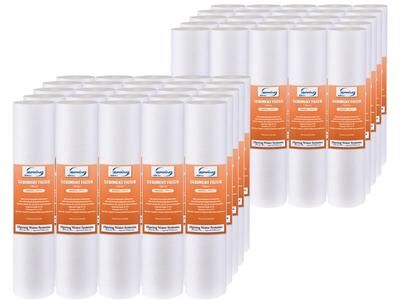
iSpring FP11X25 1 Micron Sediment Cartridges, 25-PackMulti-layer gradient design 2.5 inch (O.D) x 10 inch (Length) x 1 1/8 inch (I.D), Fits industry standard 10 inch filter housings Good for RO, Counter-top, Whole-house water filters and ice machine, film, beverage processing Genuine filter cartridge…82,99 $*Shipping: 0,00 $Secure redirect to the provider
-
iSpring FP11X4 1 Micron Sediment Cartridges, 4-PackProtect Your Family and Household Appliance from Sediments: The FP series sediment filters are specially designed to remove sediments, dust, sand, large particles, silt, dirt, and rust from water.20,09 $*Shipping: 0,00 $Secure redirect to the provider
-
iSpring FP11X50-N 1 Micron Sediment Cartridges, 50-PackPowerful First-Line Protection – Engineered to capture sediment, dust, sand, silt, rust, and large particles, these FP series filters serve as an effective first stage of a water filtration system.109,18 $*Shipping: 0,00 $Secure redirect to the provider
-
What is the difference between a 400 micron and a 500 micron solar pool cover?
The main difference between a 400 micron and a 500 micron solar pool cover is the thickness of the material. A 500 micron cover is thicker and therefore provides better insulation and heat retention for the pool. It also tends to be more durable and longer-lasting compared to a 400 micron cover. However, a 400 micron cover may be more affordable and easier to handle due to its lighter weight. Ultimately, the choice between the two will depend on the specific needs and preferences of the pool owner. **
-
How much does 1 kg of chicken meat, 1 kg of pork meat, and 1 kg of tomatoes cost?
The price of 1 kg of chicken meat, 1 kg of pork meat, and 1 kg of tomatoes can vary depending on the location and the specific market. However, as of the time of writing, the average price for 1 kg of chicken meat is around $3-5, 1 kg of pork meat is around $5-7, and 1 kg of tomatoes is around $2-3. These prices can fluctuate based on factors such as seasonality, location, and quality of the products. **
-
Is 1 kg of meat a lot?
The amount of 1 kg of meat can be considered a significant quantity, especially when compared to typical serving sizes. It can provide multiple meals for an individual or a family, depending on how it is portioned and prepared. However, what constitutes a "lot" of meat can vary based on dietary preferences, cultural norms, and individual appetite. **
-
What is a fire safety inspection?
A fire safety inspection is a thorough examination of a building or property to ensure that it meets all necessary fire safety regulations and standards. During the inspection, trained professionals assess various aspects of the property, such as fire alarms, sprinkler systems, emergency exits, and overall fire hazards. The goal of a fire safety inspection is to identify and address any potential fire risks and ensure that the property is equipped to prevent and respond to fires effectively. This helps to protect the occupants of the building and minimize the potential for fire-related damage. **
Similar search terms for ISpring-FP11X25-1-Micron
-
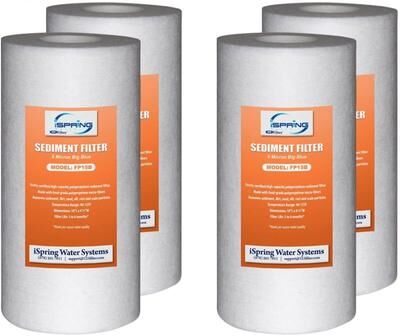
iSpring FP15BX4 5 Micron Sediment Cartridges, 4-Pack[Premium Quality Material] Complies strictly with FDA standard (CFR-Part 177) and tested by independent third party against NSF/ANSI standard((NSF/ANSI 42) for material safety and water quality.48,37 $*Shipping: 0,00 $Secure redirect to the provider
-
iSpring FP25X4 5 Micron Sediment Cartridges, 4-PackProtect Your Family and Household Appliance from Sediments: The FP25 sediment filters are specially designed to remove sediments, dust, sand, large particles, silt, dirt, and rust from water.34,99 $*Shipping: 0,00 $Secure redirect to the provider
-
Why is 1 * 1 another way of writing 1 * 1 * 1?
1 * 1 is another way of writing 1 * 1 * 1 because when you multiply a number by 1, the value of the number remains unchanged. In other words, multiplying by 1 does not alter the original number. Therefore, when you multiply 1 by 1, the result is still 1, and when you multiply that result by 1 again, it remains 1. This is why 1 * 1 is equivalent to 1 * 1 * 1. **
-
Why 1&1?
1&1 is a popular choice for web hosting and domain registration because of its reliable services, user-friendly interface, and affordable pricing. They offer a wide range of hosting options to suit different needs, from shared hosting to dedicated servers. Additionally, 1&1 provides excellent customer support and a variety of tools to help users build and manage their websites effectively. Overall, 1&1 is a trusted and reputable company that provides quality services for individuals and businesses looking to establish an online presence. **
-
What is the Formula 1 race city of the Safety Car?
The Formula 1 race city of the Safety Car is Monaco. The Safety Car is a vehicle used in Formula 1 races to maintain a safe speed and control the pace of the cars during a race. Monaco is known for its challenging street circuit and is one of the most prestigious races on the Formula 1 calendar. The Safety Car plays a crucial role in ensuring the safety of the drivers and marshals during the race in Monaco. **
-
How much CO2 does 1 kg of meat produce?
The amount of CO2 produced from 1 kg of meat varies depending on the type of meat and the production methods used. On average, the production of 1 kg of beef generates around 27 kg of CO2 emissions. Pork production produces approximately 12 kg of CO2 per kg of meat, while chicken production emits around 6 kg of CO2 per kg of meat. These emissions come from various sources such as feed production, animal digestion, transportation, and processing. **
* All prices are inclusive of VAT and, if applicable, plus shipping costs. The offer information is based on the details provided by the respective shop and is updated through automated processes. Real-time updates do not occur, so deviations can occur in individual cases. ** Note: Parts of this content were created by AI.